Anxiety and Approval Seeking in Gay Men: How a Gay Therapist in Melbourne Helps You Date from a Place of Self-Worth

Constantly monitoring whether you're making the right impression is exhausting. It leaves you feeling anxious and on edge, particularly when dating. For many clients I see as a gay therapist in Melbourne, the questions are often the same: Did I say the wrong thing? What did that look mean? Why aren't they texting me back?
When we struggle with self-worth and loneliness, we can sometimes rationalise that any connection is better than no connection at all. From that mindset, we find ourselves in "situationships" with people who are, in one way or another, unavailable, emotionally, circumstantially, or both.
What is Approval Seeking?
Approval seeking is a survival response that kicks in when our need to belong feels threatened. In my practice as a gay therapist in Melbourne, I see this manifest as hyper-monitoring your body to fit a certain ideal, moulding yourself into what you think your crush finds "cool," or hiding your emotional needs while "playing it cool" when you actually want something serious.
The anxiety that comes with approval seeking is real. On some level, we know we've constructed a version of ourselves that feels false and therefore rickety, one that depends on the reactions of a new romantic interest to hold itself together. Being someone we're not takes enormous energy. Am I texting too much? Will that seem too needy? I've double-texted and been left on read again!
If any of this sounds familiar, you're not alone, and it didn't come from nowhere.
The Roots of Approval Seeking in Gay Men
At its core, approval seeking comes from an innate human need to belong. The problem arises when our self-esteem becomes too reliant on acceptance from others. When that happens, we become too easily shaped by others' reactions at the expense of our own identity.
For most gay men, this pattern has roots in childhood:
Conditional Approval: When a family's love felt dependent on you fitting a certain image or hiding parts of yourself.
Performance: Feeling you had to "perform" a version of masculinity to stay safe.
The Adolescent Gap: While heterosexual peers were learning to navigate rejection in high school, many gay men were busy "passing."
I remember as a teenager following my group of male friends around while they rode BMXs for hours. I had no interest in the bikes, but belonging felt more important than being honest about what I actually wanted to do. This is a common theme we explore in sessions: how those early survival strategies eventually become the very things that block intimacy in adulthood.
When Survival Strategies Become the Problem
It makes sense to adapt in a high school environment where fitting in kept you safe. However, as an experienced gay therapist in Melbourne, I see how these strategies sabotage adult dating.
In the therapy room, when clients are struggling with dating, I'll often ask: What part of you made that decision—your adult self or your adolescent self? What is that younger part worried will happen if you are just yourself? Almost always, the answer is the same: rejection, more loneliness, and a sense of failure.
How Therapy Helps Untangle Approval Seeking
Therapy helps uncover the inconsistencies between what we want and how we’re behaving. Using Internal Family Systems (IFS), we work directly with the "approval-seeking part." We aim to understand what it’s protecting you from and how to help it trust your "Adult Self" enough to step back.
EMDR can also help process specific distressing memories of rejection or not belonging that are still quietly organising your behaviour in the present.
Working with a gay therapist in Melbourne matters here because you don't have to explain the developmental experience of being gay in high school or sugar-coat the nuances of local dating culture. You can get straight to the work of healing.
Dating from a Place of Self-Worth
When you become less driven by the need for approval, a new clarity emerges. You develop a keener sense of when someone is emotionally unavailable and a greater capacity to walk away from those connections rather than rationalising staying.
What changes?
Discernment over Scarcity: You stop choosing people just because they chose you.
Internal Steadiness: You feel steady enough that if a relationship doesn't work out, you’ll be disappointed but ultimately okay.
Authentic Connection: You allow yourself to be truly seen, which is the only way to feel truly loved.
Ready to Make Sense of Your Dating Patterns?
Being honest about approval seeking takes courage. Understanding where the pattern comes from makes it possible to catch yourself in the moment and make choices that align with your true self.
If you’re looking for a gay therapist in Melbourne to help you navigate this journey, I offer a 30-minute check-in to share what's been going on and see how we can work together to build your self-worth.
About the Author
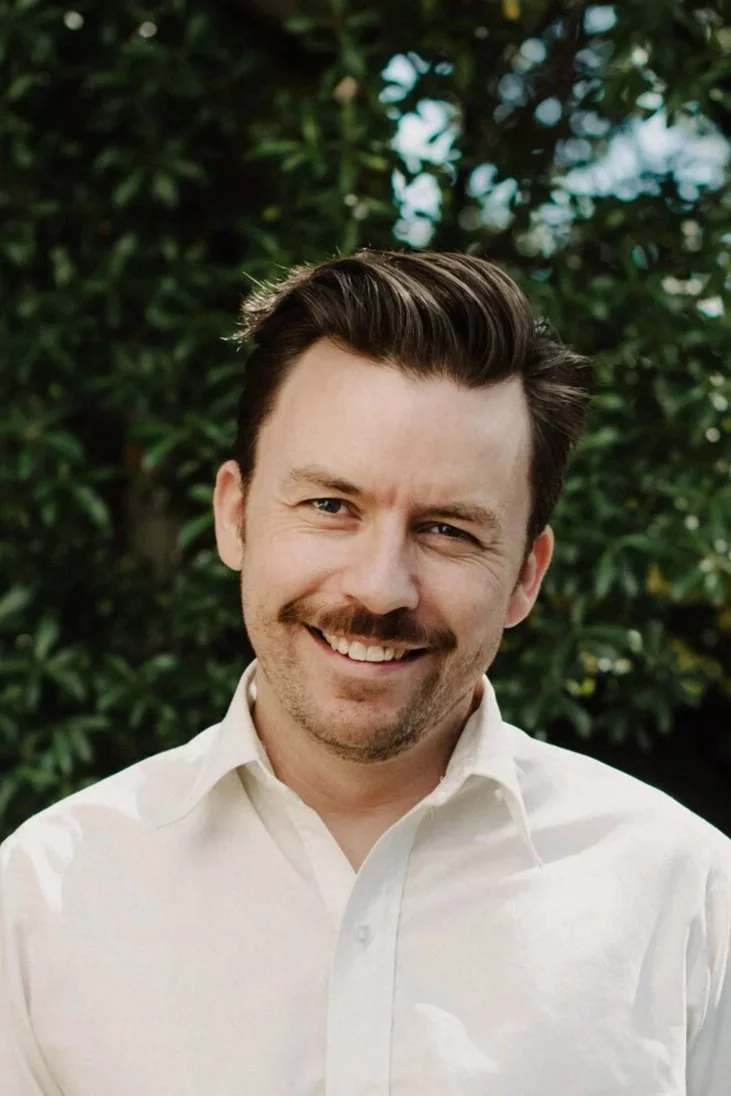
Matthew Austin | Counsellor & Psychotherapist, Melbourne
Matthew Austin is a Melbourne-based counsellor and psychotherapist who has worked with LGBTQIA+ individuals for over a decade. He has held roles at both Thorne Harbour Health and Queerspace, where he developed a deep understanding of the external forces that shape how LGBTQIA+ people see themselves. His background working with children and adolescents who have experienced trauma and neglect informs his understanding of how early experiences shape the lens through which we view ourselves, others, and the world.
Matthew holds a Bachelor of Social Work, a Certificate in Developmental Psychiatry, and an Advanced Diploma in Gestalt Psychotherapy, and has completed EMDR Levels 1 and 2. He is a mental health social worker and offers Medicare rebates.
His approach draws on IFS, EMDR, and Gestalt therapy to help LGBTQIA+ clients access the compassion, calm, and clarity that has always been there — beneath the self-criticism and distress.
Matthew works with LGBTQIA+ adults in Melbourne. To book a 30-minute check-in, visit my contact page